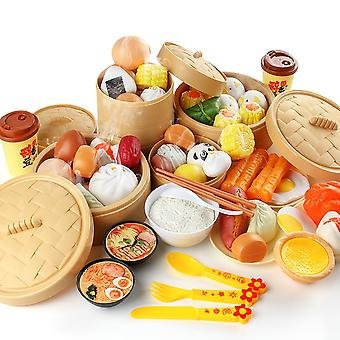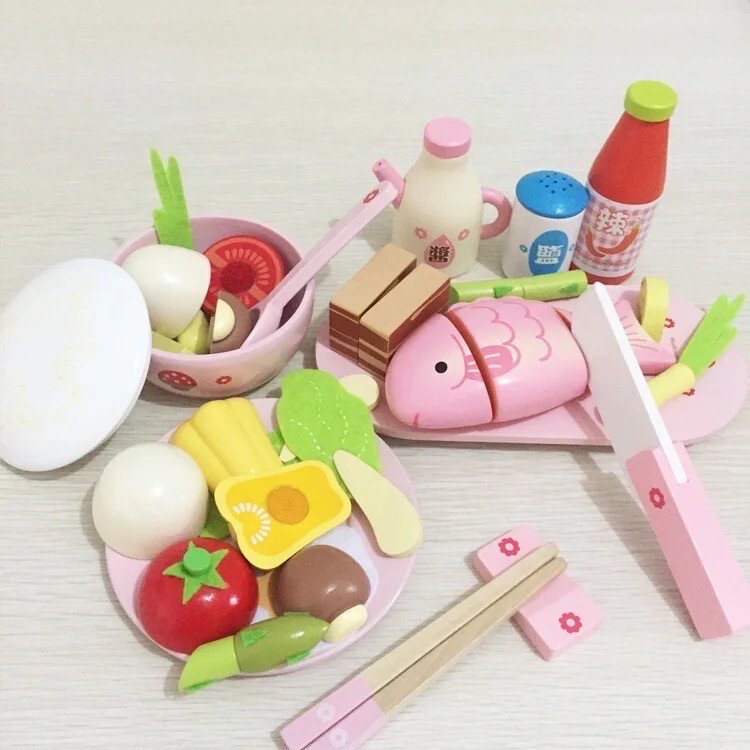
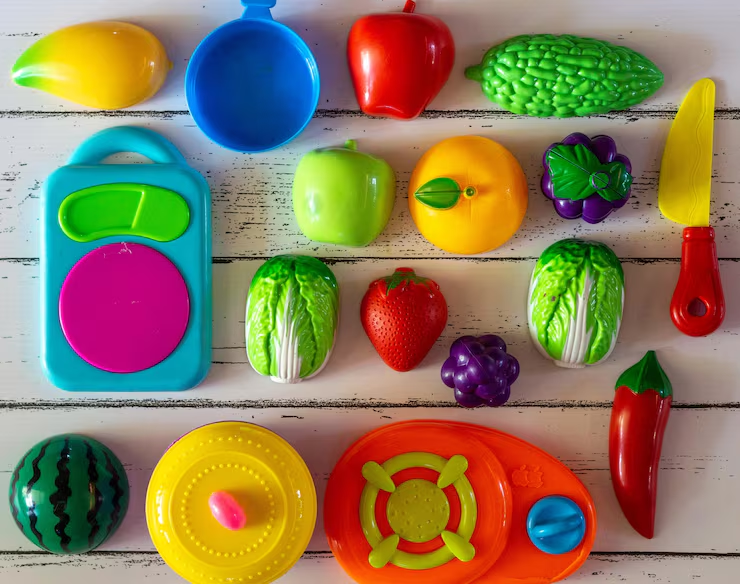
Chinese toy food set

Chinese Toy Food Set – Fun, Learning, and Cultural Play for Kids

Pretend play is more than just fun—it’s how children learn about the world. A Chinese toy food set gives kids the chance to explore food, culture, creativity, and social skills all at once. At Funsy, we design thoughtfully crafted toy food sets that inspire imagination, encourage role-play, and introduce children to Asian cuisine in a playful, hands-on way.

In the first moments of play, children begin to pretend, create stories, and interact just like real life. A Chinese toy food set transforms playtime into an educational adventure, helping kids understand food, traditions, and communication while having endless fun.


Why Choose a Chinese Toy Food Set for Pretend Play?

Encourages Meaningful Pretend Play Food Experiences

Pretend play food toys help children mimic everyday activities like cooking, shopping, and serving meals. A Chinese-themed set adds cultural depth, introducing kids to dumplings, noodles, dim sum, and street food they may see at restaurants or markets.

Supports Early Childhood Development

A toy food set improves:

  • Fine motor skills

  • Language development

  • Social interaction

  • Problem-solving

  • Emotional expression

Children learn naturally through play, making pretend cooking toys an essential learning tool.
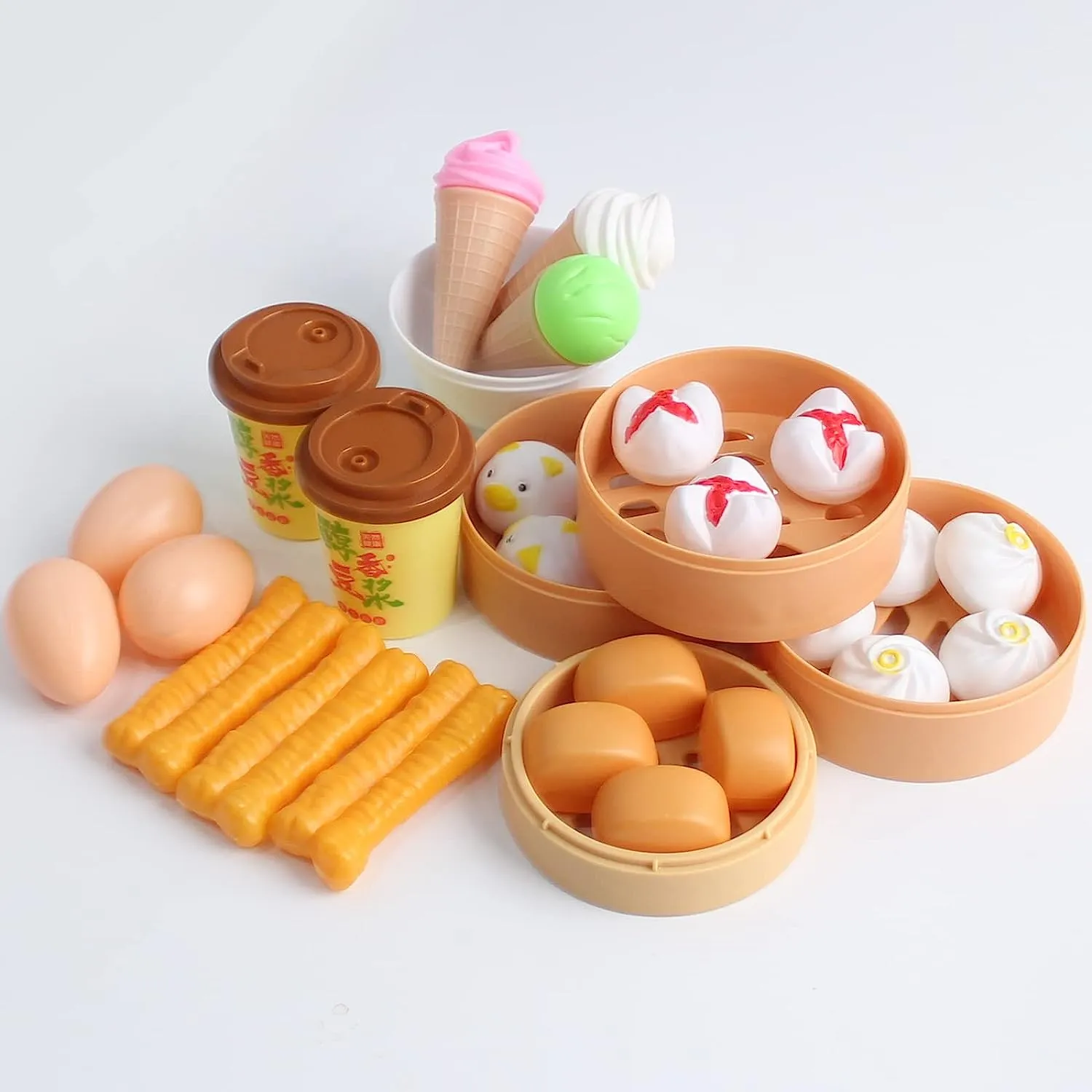
Chinese Toy Food Set: Educational Pretend Play for Creative and Cultural Learning

Educational Benefits of Chinese Toy Food Sets

Cultural Awareness Through Asian Toy Food

Using Asian toy food introduces children to global traditions early. Kids learn that food differs across cultures, promoting inclusivity and curiosity.

Boosts Creativity and Imaginative Play Food Skills

With imaginative play food, kids invent menus, role-play restaurant scenes, and create stories—key elements of healthy cognitive growth.

Supports Montessori and Open-Ended Play

A Chinese kitchen play set fits perfectly into Montessori-style learning by allowing free exploration without screens or rigid rules.


Key Features of a High-Quality Chinese Toy Food Set

Safe and Child-Friendly Materials

At Funsy, safety comes first. Our sets are made from:

  • Non-toxic paints

  • Smooth-edged wooden toy food

  • Durable plastic toy food sets

All materials meet international safety standards.

Realistic Design for Role-Play Kitchen Toys

From Chinese noodle toys to dumpling toy food, realistic details enhance engagement and learning.

Durable for Everyday Play

High-quality materials ensure the toys last through years of enthusiastic pretend cooking.


Types of Chinese Toy Food Sets Available

Dim Sum Toy Set

A dim sum toy set introduces kids to traditional bite-sized dishes, perfect for sharing and social play.

Chinese Noodle Toy and Dumpling Sets

These sets help kids recognize popular dishes while improving hand-eye coordination through scooping, serving, and arranging.

Chinese Street Food Toys

Street food-inspired items like bao, skewers, and buns bring vibrant food culture into imaginative role-play.

Chinese Market Playset

A Chinese market playset encourages role-play around shopping, counting, and communication, making learning interactive.


Wooden Toy Food vs Plastic Toy Food Set

Wooden Toy Food

Pros:

  • Eco-friendly

  • Long-lasting

  • Classic look

Best for: Montessori learning and educational toy food collections.

Plastic Toy Food Set

Pros:

  • Lightweight

  • Bright colors

  • Easy to clean

Best for: Younger kids and active pretend cooking toys.

Funsy offers both options so parents can choose what fits their child’s play style.


Why Parents Worldwide Trust Funsy

Expertise in Educational Toy Food

Funsy specializes in thoughtfully designed kids pretend food toys that support early learning.

Experience Backed by Child Development Principles

Our products are designed with input from educators and child development experts, aligning with Google’s E-E-A-T standards.

Trusted Brand for Multicultural Toy Food

We celebrate diversity with multicultural toy food that reflects real-world cuisines and traditions.


How Chinese Toy Food Sets Support Learning at Home and School

Language and Communication Skills

Role-play kitchen toys encourage children to talk, explain, and negotiate during play.

Math and Cognitive Development

Using play kitchen accessories helps kids practice counting, sorting, and matching.

Social Skills and Emotional Growth

Chinese restaurant play toys help children understand sharing, teamwork, and empathy.


Ideal Age Groups for Chinese Toy Food Sets

  • Ages 2–3: Simple pretend play food items

  • Ages 4–6: Full Chinese kitchen play sets

  • Ages 7+: Advanced role-play kitchen toys and market playsets


How to Choose the Right Chinese Toy Food Set

Consider Your Child’s Interests

Do they love cooking? Restaurants? Shopping? Choose sets that match their imagination.

Check Material and Safety Standards

Always look for certified, non-toxic educational toy food.

Look for Expandable Play Options

Funsy sets can be combined with other play kitchen accessories for long-term use.

Why Choose a Chinese Toy Food Set?

FeatureChinese Toy Food SetRegular Toy Food Sets
Learning ValueSupports creativity and role-play skillsLimited educational focus
Cultural ExposureIntroduces traditional dishes and food cultureMostly generic food items
Material SafetyMade with child-safe, non-toxic materialsSafety standards vary
DurabilityBuilt for long-term everyday playOften less durable
Play ExperienceEncourages imaginative and social playRepetitive play styles
The Role of Pretend Play in Early Childhood Development Play is the foundation of learning in early childhood. Through imaginative activities, children explore emotions, build understanding, and make sense of the world around them. When children engage in role-based activities, they practice real-life situations in a safe and supportive environment. Pretend play allows children to express ideas they may not yet have words for. By copying adults, reenacting daily routines, and inventing stories, children strengthen their cognitive flexibility and emotional intelligence. These skills are essential for long-term academic and social success. How Play Shapes Cognitive Growth During imaginative activities, the brain is highly active. Children plan actions, solve problems, and adapt to new situations. This strengthens memory, attention span, and logical thinking. For example, when children decide what to serve, who will eat first, or how to organize items, they are learning sequencing and decision-making. These experiences lay the groundwork for later skills in reading, math, and critical thinking. Emotional Development Through Role-Based Activities Children often process feelings through play. Acting out scenarios helps them understand emotions like happiness, frustration, patience, and empathy. When children play together, they learn how to take turns, manage disagreements, and cooperate. These experiences teach emotional regulation naturally. Instead of being told how to behave, children learn through experience, which makes the lessons more meaningful and lasting. Social Skills and Communication Growth Group play encourages conversation. Children explain ideas, listen to others, and negotiate roles. This improves vocabulary, sentence structure, and confidence in speaking. Social interaction during play also teaches respect and understanding. Children learn that others may think differently and that cooperation leads to better outcomes. These lessons are essential for school readiness and lifelong relationships. Learning Responsibility Through Everyday Scenarios When children imitate daily routines, they begin to understand responsibility. Cleaning up, organizing items, and caring for shared materials all teach accountability. These habits, learned early through play, often carry over into real-life behavior. Children who practice responsibility during play are more likely to show independence and confidence as they grow. Encouraging Curiosity and Exploration Hands-on activities invite curiosity. Children ask questions, test ideas, and explore possibilities. This natural curiosity is the foundation of lifelong learning. By allowing open-ended exploration, adults give children the freedom to learn at their own pace. This builds confidence and a positive attitude toward learning. The Importance of Open-Ended Materials Open-ended materials allow children to decide how to use them. There is no single “right” way to play. This encourages creativity and innovation. When children are not limited by fixed rules, they experiment more freely. This supports original thinking and problem-solving skills that are highly valued in education and future careers. Screen-Free Play in a Digital World In today’s digital age, screen-free activities are more important than ever. Hands-on play reduces overstimulation and helps children focus on real-world interactions. Physical play supports healthy brain development and reduces dependence on passive entertainment. It also encourages movement, which is essential for physical health and coordination. Fine Motor Skill Development Manipulating small objects strengthens hand muscles and coordination. These movements are essential for writing, drawing, and other school-related tasks. Activities that involve grasping, placing, and arranging help children develop control and precision. Over time, these skills improve dexterity and confidence in using tools like pencils and scissors. Building Independence and Confidence When children lead their own play, they gain confidence in their abilities. Making choices and seeing outcomes helps them trust their judgment. Independent play also teaches perseverance. Children learn to try again, adjust strategies, and overcome small challenges without constant adult intervention. Supporting Inclusive and Respectful Values Exposure to different traditions and lifestyles through play promotes respect and inclusivity. Children learn that the world is diverse and that differences are something to appreciate. These early lessons help reduce bias and encourage open-mindedness as children grow. Inclusive play environments support empathy and understanding across cultures. The Role of Adults in Guided Play While independent play is important, gentle guidance from adults can enrich the experience. Asking open-ended questions or introducing new ideas helps children think more deeply. The key is balance. Adults should support without controlling, allowing children to remain the leaders of their play experiences. Creating a Supportive Play Environment at Home A well-organized play space encourages engagement. Accessible storage, comfortable seating, and adequate lighting all contribute to a positive experience. Rotating materials regularly keeps play fresh and exciting. This prevents boredom and encourages renewed interest without constant new purchases. Play as Preparation for School Children who engage in regular imaginative activities often transition more smoothly into school environments. They are better prepared to follow routines, interact with peers, and communicate needs. These early experiences support academic readiness and emotional resilience, both of which are essential for long-term success. Encouraging Cooperative Play Among Siblings Shared activities provide opportunities for siblings to bond. They learn cooperation, compromise, and mutual respect through shared goals. While conflicts may arise, these moments are valuable learning opportunities. With guidance, children learn conflict resolution and empathy. Sustainability and Thoughtful Consumption Choosing durable, well-made items teaches children about quality and care. When children learn to value their belongings, they develop respect for resources. This mindset supports sustainable habits and reduces unnecessary waste, benefiting both families and the environment. Long-Term Benefits of Early Imaginative Experiences The skills developed through early play extend far beyond childhood. Creativity, communication, and adaptability are essential in adulthood. Children who engage deeply in imaginative activities often become confident problem-solvers and effective communicators later in life. Supporting Learning in Educational Settings Classrooms that incorporate hands-on activities often see higher engagement. Students are more motivated when learning feels interactive and meaningful. Educators use role-based activities to teach language, social studies, and life skills in ways that textbooks alone cannot achieve. Adapting Play for Different Learning Styles Every child learns differently. Some learn best through movement, others through conversation or observation. Flexible activities allow all children to participate in ways that suit them. This adaptability ensures that learning remains inclusive and effective for diverse needs. Encouraging Storytelling and Narrative Skills Storytelling is a powerful learning tool. When children create narratives, they practice sequencing, cause-and-effect, and expressive language. These skills support reading comprehension and writing development later in school. Play as a Stress Reliever Play provides emotional relief. It allows children to relax, release tension, and process experiences in a healthy way. A balanced routine that includes free play supports overall well-being and mental health. Fostering a Love for Learning When learning is associated with joy, curiosity thrives. Positive early experiences shape attitudes toward education for years to come. By valuing play, families and educators help children see learning as an exciting and lifelong journey. Conclusion: The Power of Thoughtful Play Imaginative activities are not just entertainment—they are essential tools for growth. Through exploration, interaction, and creativity, children develop the skills they need to thrive in an ever-changing world. By providing meaningful opportunities for play, adults support not only childhood development but also the foundations of future success. How Play Encourages Problem-Solving Skills When children engage in self-directed activities, they constantly face small challenges. Deciding what to do first, how to organize items, or how to respond when something does not go as planned all require thinking and adjustment. These moments help children develop problem-solving skills naturally. Instead of being given direct instructions, children learn to evaluate situations and test solutions. This builds resilience and teaches them that mistakes are part of learning. Over time, they become more confident in their ability to handle challenges independently. Decision-Making and Critical Thinking Making choices during play helps children understand cause and effect. When they choose one option over another, they see the results of that decision. This process strengthens reasoning skills and encourages thoughtful decision-making. Critical thinking develops when children ask themselves questions such as “What should happen next?” or “How can I fix this?” These mental habits support learning across all subjects later in life. Strengthening Memory and Attention Span Play that involves sequences and routines helps improve memory. Remembering steps, roles, or storylines encourages children to focus and stay engaged for longer periods. As children grow, their ability to concentrate increases through repeated play experiences. This improved attention span supports classroom learning and task completion. Encouraging Leadership and Initiative When children take the lead in activities, they practice leadership skills. They assign roles, organize materials, and guide the direction of play. These experiences help children feel capable and responsible. Leadership learned through play is collaborative and respectful, setting the foundation for positive group interactions in the future. Understanding Real-World Concepts Through Play Children often imitate real-life situations they observe. This helps them understand how the world works in a simplified and approachable way. Through these activities, children gain insight into routines, responsibilities, and social expectations. This understanding helps reduce anxiety when encountering similar situations in real life. Developing Empathy and Perspective-Taking Pretend scenarios allow children to step into someone else’s role. This encourages empathy by helping them imagine how others might feel or think. Perspective-taking is a crucial social skill. Children who practice it early tend to form healthier relationships and communicate more effectively. Supporting Language Development in Multilingual Environments Play provides a natural setting for language practice. Children experiment with words, phrases, and expressions without fear of being corrected. For families raising children in multilingual homes, play offers opportunities to blend languages organically. This supports language confidence and flexibility. Building Confidence Through Repetition Repeating familiar activities helps children feel secure. Each repetition reinforces skills and builds confidence. As children master simple actions, they are more willing to try new and complex challenges. This gradual progression supports healthy learning habits. The Role of Imagination in Innovation Imagination is the starting point of innovation. When children imagine new possibilities, they practice creative thinking. Creative thinkers are better equipped to adapt to change and solve complex problems. Encouraging imagination early supports innovation later in life. Supporting Emotional Expression Play provides a safe outlet for emotions. Children can express joy, frustration, excitement, or concern through role-based activities. This emotional expression helps children understand their feelings and develop coping strategies. It also makes it easier for adults to understand children’s emotional needs. Creating Balance Between Structure and Freedom A healthy play environment balances guidance with freedom. Too much structure can limit creativity, while too little can cause confusion. Providing a supportive framework while allowing children to explore freely creates optimal learning conditions. Children feel secure but not restricted. Encouraging Positive Peer Relationships Shared activities teach children how to interact respectfully. They learn to listen, wait, and respond appropriately. Positive peer interactions during play lay the foundation for teamwork and cooperation in academic and social settings. Supporting Children with Different Learning Needs Play-based learning adapts easily to different abilities. Children can engage at their own level and pace. This flexibility makes play an inclusive learning tool that supports diverse learning styles and developmental stages. Enhancing Parent-Child Relationships When adults participate in play, it strengthens relationships. Shared activities create moments of connection and trust. These interactions also give adults insight into children’s thoughts, interests, and concerns, improving communication. Teaching Patience and Delayed Gratification Waiting for turns or outcomes teaches patience. Children learn that not everything happens immediately. This understanding supports emotional regulation and prepares children for structured environments like school. Supporting Moral and Ethical Understanding Through imagined scenarios, children explore ideas of fairness, honesty, and responsibility. These experiences help shape moral understanding. Discussing outcomes gently during play reinforces positive values without lectures or pressure. Building Routine and Predictability Predictable play routines help children feel secure. Familiar patterns provide comfort and reduce anxiety. Once children feel secure, they are more open to exploration and learning. Encouraging Physical Movement and Coordination Many play activities involve movement, which supports physical development. Reaching, carrying, and arranging items improve coordination. Physical engagement also supports brain development and overall health. Reducing Stress for Children and Parents Play reduces stress by providing enjoyment and relaxation. It allows families to slow down and connect. A playful environment contributes to a positive household atmosphere and emotional well-being. Supporting Creativity Without Pressure When children are not judged on outcomes, creativity flourishes. Play without pressure encourages experimentation. This mindset helps children enjoy learning rather than fear failure. Teaching Organization and Planning Skills Organizing materials and planning activities teaches children structure. These skills support time management and responsibility. Over time, children learn how preparation leads to smoother experiences. Preparing Children for Group Learning Settings Children familiar with shared activities adjust more easily to group environments. They understand rules, cooperation, and communication. This preparation supports smoother transitions into preschool and elementary education. Encouraging Reflection and Self-Awareness After play, children often reflect on what happened. This reflection builds self-awareness and learning insight. Asking gentle questions encourages children to think about their choices and experiences. Long-Term Impact on Academic Success Research consistently shows that early play-based learning supports academic achievement. Skills developed through play translate into classroom success. Children who enjoy learning early are more motivated and engaged students later. Creating Meaningful Childhood Memories Play creates lasting memories. These moments shape childhood experiences and emotional well-being. Positive early memories contribute to confidence and happiness in adulthood. Final Thoughts on Nurturing Growth Through Play Thoughtful play experiences support the whole child—emotionally, socially, cognitively, and physically. They offer learning opportunities that are joyful, meaningful, and lasting. By valuing play as an essential part of development, families and educators invest in a stronger, more confident future for children.

What makes Funsy’s Chinese toy food set different from others?

Funsy’s Chinese toy food set combines cultural authenticity, safety-tested materials, and educational value designed by child development experts.