Chinese toys wholesale

Toys That Are Made in China: Complete Global Sourcing Guide

Toys that are made in china play a major role in the global toy market. From affordable plastic items to advanced electronic learning products, buyers around the world depend on China for consistent supply and competitive pricing. If you are a retailer, distributor, or brand owner, understanding how to source from trusted toys suppliers in China can significantly improve your profit margins and product variety.

At Funsy, we support international buyers in finding reliable partners, managing quality control, and handling logistics smoothly. This detailed guide explains why toys sourced from China dominate the market, how to choose the right suppliers, and how to safely import for long-term business growth.

Why Toys That Are Made in China Dominate the Global Market

Strong China Toy Industry Ecosystem

The China toy industry has developed over decades. It includes:

  • Skilled labor

  • Advanced production technology

  • Efficient logistics systems

  • Large raw material networks

This well-connected China toy supply chain allows suppliers to produce toys at scale while maintaining cost efficiency.

Wide Product Selection

Buyers can find:

  • Plastic toys made in China

  • Electronic toys made in China

  • Educational toys

  • Outdoor toys

  • Promotional toys

  • Branded toys made in China

This variety makes sourcing simple and flexible for different markets worldwide.

Competitive Wholesale Pricing

Through made in China toys wholesale channels and toy wholesale suppliers China, businesses can purchase products at lower per-unit costs compared to many other regions.
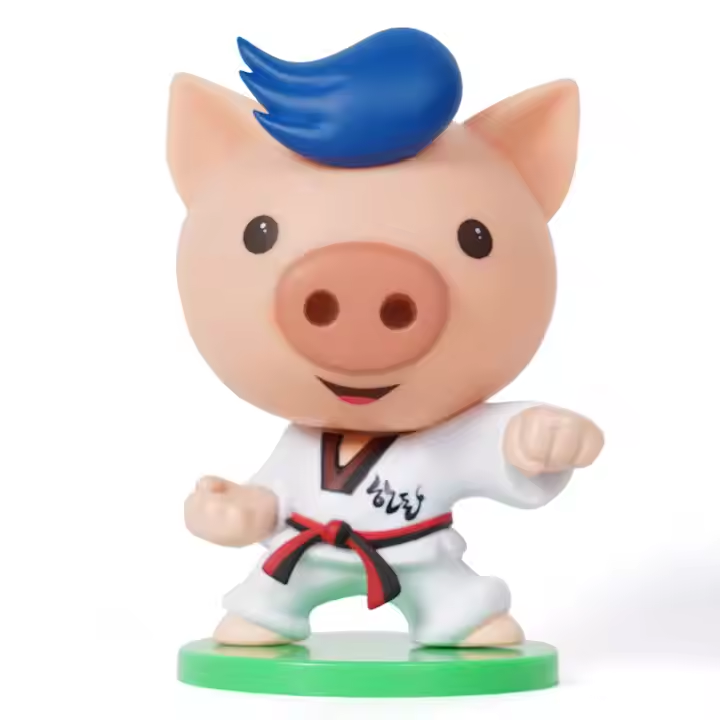
Complete Guide to Sourcing Toys That Are Made in China from Reliable Suppliers

Types of Toys That Are Made in China

Understanding product categories helps you select the right niche.

Plastic Toys Made in China

Plastic products remain the largest export category. Common examples include:

  • Dolls and accessories

  • Toy cars and trucks

  • Building blocks

  • Action figures

These toys are lightweight, durable, and easy to customize with branding.

Electronic Toys Made in China

Technology-driven play is growing fast. Popular products include:

  • Interactive learning tablets

  • Musical toys

  • Remote-control vehicles

  • Smart educational devices

Many china toy production companies specialize in electronics, ensuring high innovation and affordability.

Kids Toys Made in China

Kids toys made in China range from early learning tools to advanced STEM kits. Most reliable suppliers follow international safety standards such as CE, ASTM, and EN71.

Branded Toys Made in China

Many global brands cooperate with toy trading companies in China to manage production and export. These partnerships ensure:

  • Quality assurance

  • Brand compliance

  • Professional packaging


How to Find Reliable Toy Suppliers in China

Finding reliable toy suppliers in China is essential for long-term success.

1. Work with Verified Suppliers

When evaluating china toy factory suppliers, check:

  • Business license

  • Export experience

  • Customer reviews

  • Product certifications

At Funsy, we verify suppliers before recommending them to clients.

2. Use Online Toy Suppliers in China

Digital sourcing is growing. Many online toy suppliers in China offer:

  • Digital catalogs

  • Product samples

  • Transparent pricing

  • Virtual factory tours

This reduces travel costs and speeds up decision-making.

3. Explore China Toy Wholesale Market

The China toy wholesale market allows buyers to compare products and negotiate pricing in one location. It is ideal for small and medium businesses looking for flexible MOQs.


Benefits of Importing Toys from China

Lower Production Costs

Buying from bulk toy suppliers in China allows businesses to:

  • Increase profit margins

  • Offer competitive retail pricing

  • Scale faster

Customization and Private Labeling

Many toy sourcing suppliers China provide:

  • Custom packaging

  • Logo printing

  • Color adjustments

  • OEM/ODM services

Efficient Logistics

Businesses that import toys from China benefit from:

  • Strong port infrastructure

  • Multiple shipping options

  • Global freight partnerships


Understanding the China Toy Supply Chain

The China toy supply chain includes:

  1. Raw material sourcing

  2. Component manufacturing

  3. Assembly

  4. Quality inspection

  5. Packaging

  6. Export logistics

Experienced toy trading companies in China coordinate these steps to ensure smooth delivery.


Features to Look for in Toy Wholesale Suppliers China

When selecting partners, focus on:

  • Safety compliance

  • Clear MOQ policies

  • Transparent pricing

  • Good communication

  • Stable production timelines

Choosing the right partner protects your brand reputation.


How Funsy Helps Global Buyers

At Funsy, we provide complete sourcing solutions:

  • Supplier verification

  • Sample inspection

  • Price negotiation

  • Quality control

  • Shipping coordination

We connect clients with trusted toys suppliers in China and manage the sourcing process from start to finish.

Our goal is simple: reduce risk and increase profitability for international buyers.


Latest Trends in the China Toy Industry 

To improve organic ranking and business success, consider these trends:

1. Eco-Friendly Materials

Demand for sustainable plastic toys made in China made with recycled materials is increasing.

2. STEM & Educational Focus

Parents worldwide prefer learning-based products.

3. Growth in Online Wholesale

More buyers now work with online toy suppliers in China instead of traditional sourcing methods.

4. Smart Packaging & Branding

Private label opportunities for branded toys made in China are expanding rapidly.


Step-by-Step Guide to Import Toys from China

  1. Define your target market

  2. Identify product category

  3. Contact reliable toy suppliers in China

  4. Request samples

  5. Confirm certifications

  6. Negotiate terms

  7. Arrange inspection

  8. Finalize shipping

Funsy supports every stage of this process.

Toys that are made in china continue to lead the global market because of cost efficiency, product variety, and supply chain strength. Whether you are sourcing kids toys made in China, electronic items, or wholesale bulk products, the opportunities are significant.

By partnering with Funsy, you gain access to trusted suppliers, transparent processes, and professional sourcing support. With the right strategy and verified partners, your toy business can grow sustainably in competitive global markets.

What Are the Different Categories of Toys That Are Made in China?

Toy CategoryPopular ExamplesTarget Age GroupInvestment LevelProfit Potential
Plastic ToysDolls, Cars, Building Blocks3–12 YearsLow–MediumMedium–High
Electronic ToysRC Cars, Learning Tablets5–14 YearsMedium–HighHigh
Educational / STEM ToysScience Kits, Puzzle Games4–16 YearsMediumHigh
Outdoor & Sports ToysScooters, Ball Sets5–15 YearsMediumMedium
Plush & Soft ToysTeddy Bears, Character Plush2–10 YearsLow–MediumMedium
Branded / Private LabelLicensed Character Toys3–14 YearsMedium–HighVery High

Quality Control and Compliance for Toys That Are Made in China When sourcing toys that are made in china, quality control should never be ignored. International buyers must ensure that products meet safety regulations in their target markets. Working with experienced toys suppliers in China helps reduce compliance risks and protects your brand reputation. Most professional china toy production companies follow global safety standards such as: CE (Europe) ASTM (United States) EN71 (Europe) CPSIA (USA) Before placing a bulk order, always request: Product testing reports Material safety data Factory audit documents Reliable china toy factory suppliers are transparent about certifications and testing procedures. At Funsy, we conduct supplier verification and pre-shipment inspections to ensure that every shipment meets international requirements. Pricing Structure of Made in China Toys Wholesale Understanding pricing helps you negotiate better deals. When working with made in China toys wholesale suppliers, prices depend on: Order quantity (MOQ) Customization level Packaging requirements Shipping terms (FOB, CIF, EXW) Buying from bulk toy suppliers in China reduces per-unit cost significantly. For example, ordering 5,000 units instead of 500 units can lower production cost by 10–30%. Experienced toy wholesale suppliers China often provide tiered pricing models. Always compare at least three quotations before making a final decision. Choosing Between Toy Trading Companies in China and Direct Factories Buyers often ask whether to work with factories or toy trading companies in China. Working with Toy Trading Companies Advantages: Easier communication Access to multiple product categories Lower minimum order quantities Simplified export process Trading companies are ideal for small to medium importers. Working with China Toy Factory Suppliers Advantages: Lower direct production cost Better customization Direct quality control Large brands that order high volumes may prefer direct factory partnerships. Funsy helps clients choose the right sourcing model based on budget, quantity, and long-term strategy. How Online Toy Suppliers in China Are Changing Global Trade The rise of digital platforms has transformed sourcing. Many buyers now work with online toy suppliers in China through B2B marketplaces and direct websites. Benefits include: Faster product comparison Access to reviews Digital catalogs and videos Easy communication tools This shift has improved transparency within the China toy industry and allowed global buyers to source more efficiently. Logistics and Shipping When You Import Toys from China When you import toys from China, shipping planning is critical. Common shipping methods include: Sea freight (best for large orders) Air freight (faster but higher cost) Express courier (small urgent orders) The strong China toy supply chain ensures access to major ports and global freight routes. However, buyers should always: Confirm Incoterms Calculate customs duties Prepare proper documentation Complete Global Guide to Sourcing and Importing Toys from China Introduction China has become the backbone of the global toy supply network. Businesses from North America, Europe, the Middle East, Africa, Asia, and Latin America rely on Chinese suppliers for a wide range of toy products. From affordable everyday play items to advanced educational technology-based products, the country offers scalability, efficiency, and cost advantages that few other markets can match. For importers, retailers, eCommerce sellers, and brand owners, sourcing toys from China can be highly profitable—but only when done strategically. Understanding product categories, supplier types, quality control systems, logistics, compliance requirements, and market trends is essential for long-term success. This guide explains every stage of the sourcing journey in simple, practical language designed for global buyers. The Global Importance of China in the Toy Market Over the last three decades, China has developed a strong industrial ecosystem dedicated to toy production. The country offers: Large-scale production capabilities Skilled labor and technical expertise Established export systems Strong material sourcing networks Competitive cost structures The efficiency of this ecosystem allows businesses to scale quickly while maintaining consistent quality. China’s toy clusters are located in specialized regions where factories, packaging companies, raw material suppliers, and logistics providers operate closely together. This regional concentration improves production speed and reduces operational delays. Main Categories of Toys Available Understanding product categories helps buyers choose the right niche and market strategy. 1. Plastic-Based Toys Plastic products remain the most common type of toy exported globally. These include: Dolls and figurines Vehicles and transport models Construction sets Role-play accessories Outdoor play equipment Plastic toys are popular because they are lightweight, durable, and cost-effective. They are also easier to customize with colors, branding, and packaging. 2. Electronic and Interactive Toys Technology-driven play continues to grow worldwide. Examples include: Educational tablets for children Sound-based learning devices Remote-control vehicles Musical instruments Coding and robotics kits These products require higher technical standards and safety compliance but offer strong profit margins in many markets. 3. Educational and STEM Toys Parents increasingly prefer products that combine learning with entertainment. Popular options include: Science experiment kits Puzzle games Building systems Brain-development toys Educational toys often perform well in developed markets where learning-based play is prioritized. 4. Outdoor and Sports Toys Seasonal and outdoor products also remain strong sellers. These include: Scooters Balls and sports equipment Water play items Sand play sets These products may require larger shipping space but are popular in many regions. How to Choose the Right Supplier Selecting a reliable partner is the most important step in sourcing. Verify Business Credentials Before placing any order, confirm: Business registration Export license Years of operation Customer references Reliable suppliers provide documentation without hesitation. Evaluate Communication Quality Professional suppliers: Respond quickly Provide clear quotations Explain production timelines Share testing reports Poor communication often leads to misunderstandings and delays. Request Samples Always order product samples before confirming bulk production. This allows you to evaluate: Material quality Packaging Functionality Safety standards Samples help prevent costly mistakes. Understanding Pricing and Cost Structure The final cost of a toy product depends on several factors: Material type Production complexity Order quantity Customization requirements Packaging design Shipping method Larger orders usually reduce the per-unit cost. However, beginners should avoid ordering excessive quantities without first testing market demand. Quality Control Best Practices Maintaining consistent quality protects your brand reputation. Pre-Production Inspection Confirm raw materials and production setup before mass production begins. During Production Inspection Monitor production progress to detect issues early. Pre-Shipment Inspection Inspect finished goods before they leave the factory. This includes checking: Quantity Packaging accuracy Product functionality Labeling compliance Third-party inspection agencies can assist if you cannot visit the factory personally. Safety Compliance and Certifications Different countries require different safety standards. Importers must verify compliance before shipping. Common requirements include: European safety certification American safety testing standards Chemical material testing Small parts safety compliance Failure to meet regulations can result in customs rejection or financial penalties. Logistics and Shipping Planning Shipping strategy directly affects profit margins. Sea Freight Best for large-volume orders. It is cost-effective but slower. Air Freight Faster but more expensive. Suitable for urgent shipments. Express Courier Ideal for small sample orders. Always calculate: Shipping cost Customs duties Import taxes Warehouse storage fees Planning these costs in advance prevents unexpected financial losses. Risk Management in International Sourcing Sourcing internationally carries certain risks. Common Risks Quality inconsistencies Delayed production Communication misunderstandings Hidden costs Regulatory compliance failures Risk Reduction Strategies Work with verified suppliers Use clear contracts Schedule inspections Avoid full payment before shipment Maintain clear documentation Professional sourcing partners can further reduce risk exposure. Market Trends Shaping the Future of the Toy Industry Staying updated with trends improves competitiveness. Sustainability Eco-friendly materials are becoming more popular in many markets. Educational Value Parents prioritize skill-building and cognitive development. Digital Integration Smart toys and app-connected products are expanding. Private Label Branding More retailers are building their own brands to increase profit margins and customer loyalty. Building Long-Term Supplier Relationships Long-term partnerships provide: Better pricing Priority production slots Improved quality consistency Faster communication Respect, clear agreements, and consistent orders help maintain strong business relationships. Strategic Planning for Global Expansion To succeed internationally: Start with market research Test small quantities Analyze customer feedback Scale gradually Maintain quality standards Growth should be steady and strategic rather than rushed. Conclusion Sourcing toys from China offers strong opportunities for businesses worldwide. With the right planning, supplier verification, quality control, and logistics management, companies can achieve sustainable growth and competitive advantage. International trade requires careful strategy, but when managed correctly, it opens doors to scalable, profitable expansion. Advanced Strategies for Successful Toy Sourcing and Importing Sourcing toys from international markets can be highly profitable, but long-term success requires more than simply finding a supplier and placing an order. Businesses that thrive in this industry focus on strategy, research, compliance, and relationship management. Below are practical insights to help importers, retailers, and brand owners build a stable and scalable toy business. Conduct Deep Market Research Before Ordering One of the biggest mistakes new importers make is ordering products without fully understanding market demand. Before selecting any item, analyze: Target age group Current buying trends Seasonal demand patterns Competitor pricing Online customer reviews Look at major eCommerce platforms and retail stores in your region. Identify which products are selling well and which ones are oversaturated. Study customer complaints carefully. They often reveal opportunities for improvement, such as stronger materials, better packaging, or enhanced features. Testing a small order before scaling up reduces financial risk. A pilot batch allows you to gather customer feedback and evaluate product performance in real market conditions. Understand Cultural and Regional Preferences Toy preferences vary greatly across countries. For example: Educational toys may perform better in developed markets. Outdoor play items may sell strongly in warmer climates. Character-based products may depend on local entertainment trends. Understanding cultural buying behavior helps you select the right product mix. Consider language requirements for packaging and instruction manuals. Some regions require multilingual labeling, which should be planned before production begins. Negotiate Smartly and Professionally Negotiation is a normal part of international trade. However, successful negotiation focuses on long-term cooperation rather than aggressive price cutting. Instead of pushing only for lower prices, discuss: Flexible payment terms Improved packaging quality Faster production timelines Lower minimum order quantities Free samples for future launches Building a professional relationship increases trust and can lead to better overall terms over time. Protect Your Brand with Strong Quality Control Brand reputation is everything in the toy industry. Poor product quality can result in negative reviews, product returns, or even safety concerns. Implement multiple quality control stages: Pre-production review – Confirm materials and design details. Mid-production inspection – Check product consistency. Pre-shipment inspection – Verify final goods before dispatch. Document all requirements clearly in written agreements. Include product specifications, packaging instructions, and quality expectations. Clear documentation prevents misunderstandings. Manage Inventory Efficiently Inventory management directly affects cash flow. Ordering too much can create storage costs and slow-moving stock. Ordering too little can result in missed sales opportunities. To balance inventory: Track sales trends carefully. Forecast seasonal demand. Maintain communication with suppliers about production timelines. Keep safety stock for best-selling items. Using inventory management software can help automate tracking and forecasting. Plan Logistics with Cost and Time in Mind Shipping costs fluctuate based on fuel prices, global demand, and seasonal peaks. Planning logistics early prevents delays and budget overruns. Consider the following: Compare sea and air shipping rates. Understand customs duties in your country. Factor in local transportation and warehousing fees. Confirm delivery timelines before promotional campaigns. Working with experienced freight forwarders ensures smooth customs clearance and documentation handling. Ensure Compliance with International Regulations Safety regulations differ across markets. Toys must meet local testing standards before being sold. Non-compliant products can be rejected at customs or removed from shelves. Key compliance considerations include: Chemical safety testing Small parts regulations Electrical safety (for electronic products) Age labeling requirements Packaging warnings Always request official test reports from certified laboratories. Keep digital and printed copies for customs or retailer verification. Focus on Packaging and Presentation Packaging plays a critical role in customer perception. Attractive, well-designed packaging increases product value and brand recognition. Important packaging elements include: Clear product images Easy-to-read instructions Safety warnings Durable material Eco-friendly options when possible Custom packaging helps differentiate your brand from competitors selling similar products. Build Long-Term Supplier Relationships Stable partnerships lead to smoother operations and better results. When suppliers trust you, they are more likely to: Offer priority production slots Share new product ideas Provide better pricing Resolve issues quickly Maintain regular communication even when you are not placing orders. Show appreciation for good service. Long-term cooperation benefits both parties. Adapt to Industry Trends The toy market evolves quickly. Businesses that stay informed gain competitive advantage. Emerging trends include: Sustainable materials Skill-building and educational focus Interactive technology Minimalist packaging Private label expansion Regularly reviewing global trade reports and attending international trade exhibitions can provide valuable insights. Develop a Scalable Growth Plan Once you have a successful product line, focus on expansion strategies: Add complementary products Expand into new regions Launch online marketplaces Strengthen digital marketing Build brand loyalty programs Sustainable growth requires careful financial planning, reinvestment, and consistent quality control. Conclusion International toy sourcing offers strong business potential when approached strategically. Success depends on research, supplier verification, quality management, compliance awareness, and efficient logistics planning. By focusing on long-term partnerships, market trends, and customer satisfaction, businesses can build a stable and profitable operation. Careful planning, professional communication, and continuous improvement are the keys to lasting success in the global toy market.

What types of toys that are made in China does Funsy offer?

Funsy provides a wide range of toys that are made in China, including educational sets, electronic toys, plastic toys, and branded or custom designs. Each product is carefully selected for quality, safety, and fun.