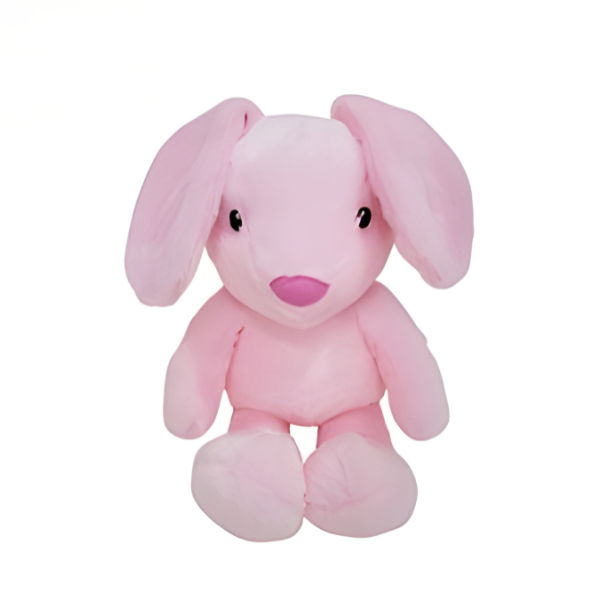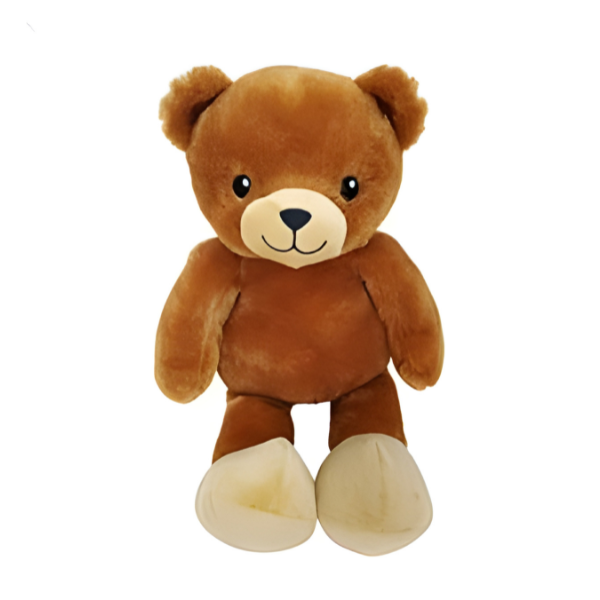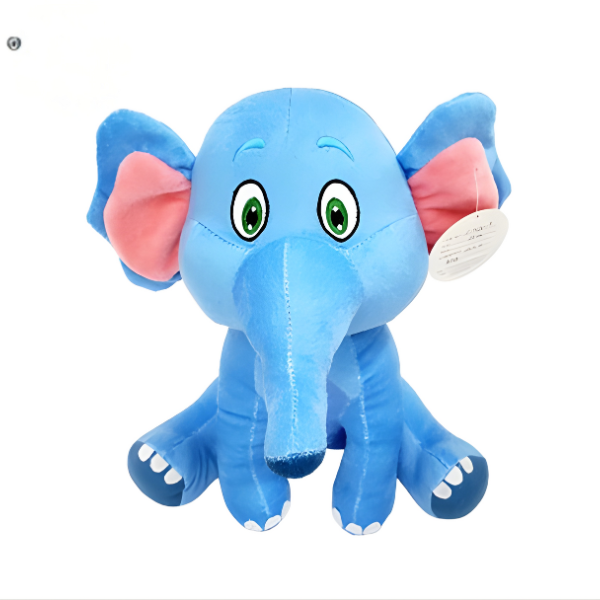
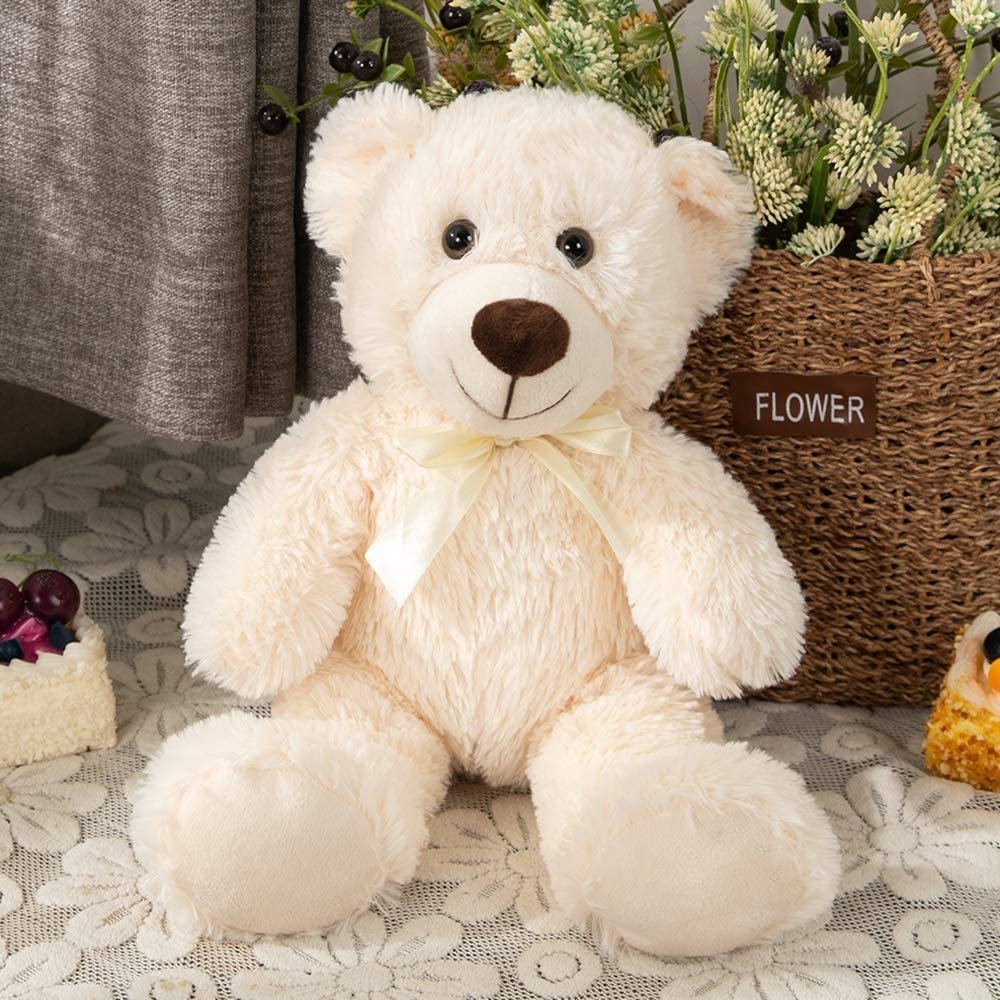
Chinese teddy

Chinese Teddy Suppliers in China – Complete Guide by Funsy

Chinese teddy products have become extremely popular worldwide because of their quality, variety, and cost-effective sourcing. From soft plush toys to luxury collectible teddy bears, China is a major hub for teddy bear suppliers serving global markets.

At Funsy, we help buyers source safe, stylish, and high-quality Chinese teddy bears from trusted teddy bear suppliers in China. Whether you are a retailer, wholesaler, brand owner, or gift business, this guide will help you understand why Chinese teddy suppliers are preferred globally and how to choose the right products.

In this article, we cover benefits, features, product types, and sourcing tips—so you can make confident buying decisions.


Why Chinese Teddy Bears Are Popular Worldwide

Chinese teddy bears are known for combining affordability with quality. Over the years, teddy bear suppliers in China have improved materials, safety standards, and customization options to meet international demand.

Key Reasons for Global Demand

  • Wide variety of plush teddy bear designs

  • Competitive pricing for wholesale and bulk orders

  • Advanced customization and OEM services

  • Strong supply chain and export experience

  • Compliance with international toy safety standards

From baby teddy bears to collector teddy bears, China offers solutions for every market segment.
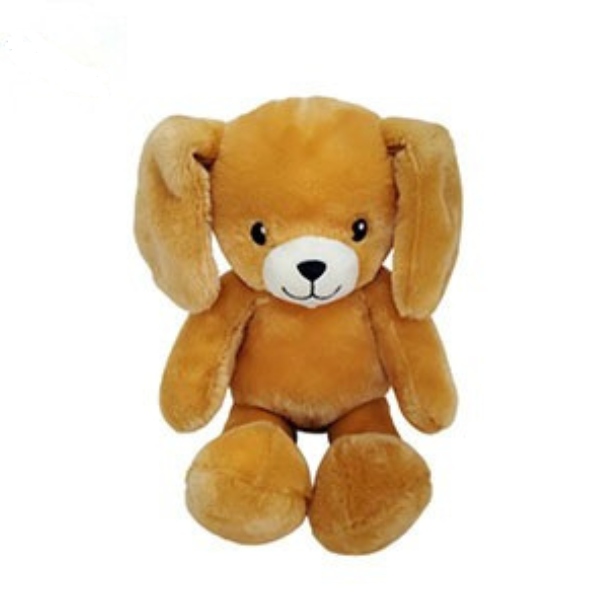
Teddy Bear Suppliers China: What Makes Them Reliable

When sourcing from teddy bear suppliers in China, buyers benefit from years of industry experience and scalable production capabilities.

Experience and Expertise

Most Chinese teddy bear suppliers work with global clients and understand market trends, safety requirements, and packaging standards. At Funsy, we collaborate only with suppliers that meet strict quality and ethical guidelines.

Global Compliance Standards

Reliable suppliers follow standards such as:

  • EN71

  • ASTM

  • CPSIA

  • ISO certifications

This ensures Chinese teddy products are safe for kids and adults alike.


Types of Chinese Teddy Bears Available

Plush Teddy Bears China

Plush teddy bears China are made with ultra-soft fabrics and premium stuffing. These are perfect for gifting, retail, and promotional use.

Stuffed Teddy Bears China

Stuffed teddy bears China are durable, cuddly, and available in various sizes. They are ideal for kids, events, and bulk orders.

Soft Teddy Bears China

Soft teddy bears China are designed with extra comfort in mind, making them suitable for babies and toddlers.


Kids Teddy Bears China – Safe & Fun

Kids teddy bears China are designed to meet child safety standards. They feature:

  • Non-toxic fabrics

  • Secure stitching

  • Child-safe accessories

These teddy bears are popular for toy stores, schools, and gifting brands.


Baby Teddy Bears China – Gentle & Secure

Baby teddy bears China focus on softness, safety, and soothing designs. They often use hypoallergenic materials and pastel colors to appeal to parents and caregivers.


Cute, Cartoon & Kawaii Teddy Bears China

Cute Teddy Bears China

Cute teddy bears China appeal to all age groups with adorable expressions and trendy designs.

Cartoon Teddy Bears China

Cartoon teddy bears China are inspired by popular characters and themes, making them ideal for promotions and themed collections.

Kawaii Teddy Bears China

Kawaii teddy bears China follow Japanese-inspired cute aesthetics and are extremely popular among teens and young adults.


Personalized & Custom Teddy Bear Suppliers China

Personalized Teddy Bears China

Personalized teddy bears China allow name embroidery, custom colors, and unique packaging. These are perfect for gifts, anniversaries, and corporate branding.

Custom Teddy Bear Suppliers China

Custom teddy bear suppliers China offer complete design flexibility—from fabric selection to logo placement. At Funsy, we help brands create exclusive teddy bear collections.


OEM Teddy Bear Suppliers China

OEM teddy bear suppliers China support businesses that want private labeling and full brand control. Services include:

  • Custom designs

  • Brand tags and packaging

  • Confidential production

  • Bulk scalability

This is ideal for growing toy brands and online sellers.


High-Quality, Luxury & Collector Teddy Bears China

High-Quality Teddy Bears China

High-quality teddy bears China use premium plush, reinforced stitching, and superior finishing.

Luxury Teddy Bears China

Luxury teddy bears China target premium markets and often include:

  • Designer fabrics

  • Elegant packaging

  • Limited-edition designs

Collector Teddy Bears China

Collector teddy bears China are crafted for hobbyists and collectors, often featuring unique themes and artistic designs.


Eco-Friendly Teddy Bears China

Eco-friendly teddy bears China are made using:

  • Recycled fabrics

  • Organic cotton

  • Sustainable dyes

With increasing environmental awareness, eco-friendly options are in high demand. Funsy prioritizes sustainable sourcing whenever possible.


Benefits of Sourcing Chinese Teddy Bears from Funsy

Trusted Supplier Network

We work only with verified teddy bear suppliers in China who meet quality, safety, and ethical standards.

Customization Support

From concept to delivery, Funsy supports full customization for custom teddy bear suppliers China projects.

Competitive Pricing

Our sourcing expertise helps clients get the best value without compromising quality.

Quality Assurance

Every Chinese teddy order goes through quality checks before shipment.


Features to Look for in Chinese Teddy Bears

When choosing a Chinese teddy supplier, consider:

  • Fabric softness and durability

  • Stitching quality

  • Safety certifications

  • Customization options

  • Packaging quality

These features ensure long-term customer satisfaction.

How Can Businesses Advertise Chinese Teddy Products Effectively?

PlatformAdvertising GoalCall to Action
Google SearchGenerate buyer inquiriesContact Us
Social MediaIncrease brand awarenessLearn More
InstagramShowcase product designsShop Now
B2B MarketplacesAttract bulk buyersGet Quote
Email MarketingRetain existing customersView Products
Display AdsRe-engage website visitorsEnquire Now
Understanding the Global Plush Toy Market The global soft toy industry has grown steadily over the past decade. Plush toys are no longer seen as products only for children. Today, they are widely used for gifting, emotional support, branding, collectibles, décor, and even therapeutic purposes. Consumers now look for emotional value, storytelling, and quality rather than just low prices. This shift has encouraged suppliers to focus on design innovation, sustainable practices, and customer experience. International buyers are increasingly seeking long-term partnerships instead of one-time purchases. This trend has improved quality consistency and transparency across the supply chain. Importance of Design Innovation in Soft Toys Modern buyers expect fresh designs that match changing tastes. Suppliers now invest heavily in creative teams to research trends such as minimalist styles, pastel themes, character-inspired concepts, and seasonal collections. Design innovation includes: Facial expressions that evoke emotions Unique body proportions Trend-driven color palettes Theme-based collections (festivals, holidays, events) Strong design differentiation helps brands stand out in crowded online and offline markets. Materials Used in Premium Soft Toys Material selection plays a critical role in product quality, durability, and customer satisfaction. Buyers increasingly prefer products that feel pleasant to touch and retain shape after repeated use. Common materials include: Ultra-soft synthetic fabrics Organic cotton blends Recycled polyester Hypoallergenic stuffing High-end products often use layered fabric structures to improve comfort and longevity. Safety Standards and Quality Control Processes Safety is a non-negotiable factor, especially for products intended for children. Reputable suppliers implement strict inspection processes at every stage of production. Key quality control measures include: Raw material inspection In-process stitching checks Pull and tension testing Needle detection Final appearance inspection These steps reduce the risk of defects and ensure compliance with international safety regulations. Ethical Manufacturing and Social Responsibility Modern buyers value ethical sourcing as much as product quality. Responsible suppliers focus on fair labor practices, safe working environments, and compliance with labor laws. Ethical practices help: Build brand trust Improve long-term supplier relationships Enhance corporate reputation Meet international buyer expectations Transparency in sourcing has become a major decision-making factor for global businesses. Sustainable Practices in the Toy Industry Environmental responsibility is no longer optional. Many buyers now actively request sustainable alternatives and reduced environmental impact. Sustainable practices include: Reducing water usage Using recyclable packaging Limiting chemical dyes Offering biodegradable materials Brands that prioritize sustainability often see higher customer loyalty and stronger brand perception. Customization as a Competitive Advantage Customization allows brands to create emotional connections with customers. Personalized products often carry higher perceived value and stronger brand recall. Customization options may include: Size variations Color matching Logo embroidery Special tags or messages Themed packaging This flexibility is especially useful for corporate gifting, events, and seasonal campaigns. Packaging and Presentation Matters Packaging plays a significant role in purchasing decisions, especially in retail and gifting markets. A well-presented product can instantly elevate perceived value. Modern packaging trends include: Eco-friendly boxes Minimalist designs Transparent windows Reusable packaging Good packaging also improves protection during shipping and storage. Logistics and International Shipping Considerations Smooth logistics are essential for global trade. Experienced suppliers understand export documentation, customs requirements, and shipping optimization. Key logistics considerations: Freight cost optimization Shipping method selection (air, sea, rail) Proper labeling and documentation Damage prevention during transit Reliable logistics reduce delays and protect buyer investments. Managing Bulk Orders Efficiently Large orders require structured planning and coordination. Professional suppliers use production schedules and inventory management systems to ensure timely delivery. Bulk order benefits include: Lower per-unit cost Consistent quality Priority production slots Long-term supply stability Clear communication is essential to avoid misunderstandings and delays. Quality Assurance After Delivery Quality assurance does not end after shipment. Reputable partners offer post-delivery support and address any concerns promptly. Post-delivery support may include: Replacement for defective items Quality feedback analysis Continuous improvement initiatives This approach builds trust and long-term cooperation. Role of Branding in the Soft Toy Business Branding transforms a simple product into an emotional experience. Strong branding helps businesses differentiate themselves and command premium pricing. Effective branding includes: Consistent visual identity Emotional storytelling Clear brand values Memorable packaging Consumers often associate plush products with comfort, warmth, and memories—making branding even more powerful. Digital Transformation in Product Sourcing Technology has simplified international sourcing. Buyers now rely on digital catalogs, video inspections, and online communication tools to evaluate suppliers. Digital transformation benefits include: Faster decision-making Reduced travel costs Improved transparency Real-time updates This shift has made global sourcing more accessible to small and medium-sized businesses. Market Opportunities for New Businesses The plush toy industry offers low entry barriers for new brands, especially in online marketplaces. Custom branding and niche targeting allow startups to compete effectively. Popular niche markets include: Gifts for special occasions Emotional support items Home décor accessories Limited-edition collections Understanding market demand is key to success. Long-Term Supplier Partnerships Building long-term relationships benefits both buyers and suppliers. Stable partnerships lead to better pricing, priority production, and consistent quality. Long-term collaboration encourages: Product innovation Shared growth strategies Better risk management Trust and communication are the foundation of successful partnerships. Future Outlook of the Plush Toy Industry The future of the industry looks promising, driven by emotional consumer behavior, online retail growth, and increased gifting culture. Expected trends include: Smart and interactive elements Sustainable product lines Greater personalization Expansion into adult-focused markets Businesses that adapt early will gain a competitive edge. How Buyers Can Make Smarter Decisions Smart sourcing decisions require research, comparison, and clear requirements. Buyers should evaluate samples, verify certifications, and communicate expectations clearly. Helpful decision tips: Request samples before bulk orders Confirm compliance documents Clarify timelines and payment terms Maintain written agreements Preparation minimizes risks and ensures satisfaction. Final Expansion Summary The plush product industry continues to evolve, offering vast opportunities for businesses of all sizes. Quality, ethics, sustainability, and innovation are now the core pillars of success. By focusing on long-term value rather than short-term cost savings, brands can build trust, grow steadily, and succeed in competitive markets. Emotional Value and Consumer Psychology Soft toys hold strong emotional value across age groups. They are often linked to comfort, nostalgia, celebration, and emotional support. Many adults purchase plush products not just for children, but also for themselves or loved ones as meaningful gifts. Psychological studies show that soft textures and friendly shapes can reduce stress and promote a sense of calm. This is why plush products are frequently used in hospitals, therapy centers, and wellness programs. Understanding emotional buying behavior helps brands create products that resonate deeply with customers rather than focusing only on price. Seasonal Demand and Sales Cycles Sales patterns often change based on seasons and special occasions. Demand typically increases during: Valentine’s Day Christmas and New Year Birthdays and anniversaries Graduation ceremonies Baby showers Planning production and inventory around these cycles allows businesses to maximize sales and avoid stock shortages. Role of Storytelling in Product Marketing Storytelling has become a powerful marketing tool. Giving a product a name, background story, or purpose creates emotional attachment. Examples of effective storytelling include: Characters with personalities Limited-edition stories Charity-linked products Cause-based campaigns Storytelling improves brand recall and encourages repeat purchases. Retail vs Online Sales Channels Both offline and online channels play important roles in distribution. Physical stores allow customers to touch and feel the product, while online platforms provide wider reach and convenience. Online sales benefits: Global customer access Lower operating costs Easy customization options Retail store benefits: Immediate customer feedback Impulse purchases Strong visual merchandising A hybrid approach often delivers the best results. Importance of Product Photography and Presentation High-quality visuals significantly influence purchasing decisions. Clear images help customers understand size, texture, and quality. Best practices include: Multiple angle shots Close-up fabric views Lifestyle images Consistent background Strong visuals increase conversion rates, especially in online stores. Customer Reviews and Social Proof Customer feedback builds trust and credibility. Positive reviews reassure new buyers and validate product quality. Ways to encourage reviews: Follow-up emails Incentives for feedback Easy review submission Displaying reviews transparently strengthens brand authenticity. Pricing Strategy and Value Perception Pricing should reflect quality, branding, and target audience. Extremely low pricing may harm brand perception, while premium pricing requires strong storytelling and presentation. Smart pricing strategies include: Tiered product ranges Bundle offers Seasonal discounts Value perception matters more than absolute price. Managing Product Lifecycles Every product goes through stages: introduction, growth, maturity, and decline. Brands should monitor performance and refresh designs periodically. Lifecycle management includes: Updating colors or materials Repackaging Introducing limited editions This keeps offerings fresh and relevant. Role of Data and Market Research Data-driven decisions reduce risk. Market research helps identify trends, customer preferences, and pricing expectations. Useful data sources: Customer surveys Sales analytics Social media insights Regular research helps brands stay competitive. Building Trust Through Transparency Transparency builds long-term customer loyalty. Sharing information about materials, sourcing, and care instructions increases buyer confidence. Transparent communication also reduces returns and complaints. Care Instructions and Product Longevity Providing clear care guidelines improves product lifespan and customer satisfaction. Common care tips include: Gentle hand washing Air drying Avoiding harsh chemicals Customers appreciate brands that help them maintain product quality. Cultural Influence on Design Preferences Different regions prefer different design styles. Some markets favor minimalism, while others prefer colorful or expressive designs. Understanding cultural preferences helps brands adapt offerings for international audiences. Collaboration and Co-Branding Opportunities Collaborations help brands reach new audiences. Co-branded products or limited editions create excitement and exclusivity. Partnerships may include: Artists Influencers Charitable organizations These collaborations often generate strong engagement. Handling Customer Complaints Professionally Customer complaints are opportunities for improvement. Quick, polite, and solution-focused responses enhance brand reputation. Best practices include: Acknowledging issues promptly Offering replacements or refunds Using feedback for improvement Satisfied customers often become loyal advocates. Scaling a Plush Toy Business Growth requires careful planning. Scaling too fast can affect quality, while slow growth may limit opportunities. Successful scaling involves: Reliable suppliers Strong quality control Efficient logistics Balanced growth ensures sustainability. Long-Term Brand Vision Brands that succeed long-term focus on purpose, not just profit. Clear values, consistent quality, and customer-centric thinking drive lasting success. A strong vision guides decision-making and builds emotional connections. Closing Expansion Note As consumer expectations continue to evolve, businesses must focus on quality, responsibility, and emotional value. Those who adapt to change and prioritize customer experience will remain competitive in the global market. Building Emotional Connections Through Thoughtful Products Soft toys are more than physical items. They often represent comfort, care, and emotional connection. People give them as gifts to express love, support, or celebration. Because of this emotional role, buyers tend to look for products that feel warm, safe, and meaningful. Design choices such as facial expressions, fabric texture, and color tone strongly influence emotional response. Gentle colors and friendly shapes can make a product feel calming, while bright colors and playful styles create excitement. Understanding these emotional triggers helps businesses create items that connect with customers on a deeper level. Influence of Lifestyle Trends on Buying Decisions Modern lifestyles have changed how consumers shop. Many people now value experiences, sustainability, and personal meaning over mass-produced items. This shift has increased interest in thoughtfully designed plush products that reflect individual values. Urban living, remote work, and online shopping have also influenced demand. Consumers often look for items that add comfort to their homes or serve as thoughtful gifts for distant friends and family. Products that fit these needs tend to perform well across different markets. Importance of Consistent Quality Consistency is one of the most important factors in customer satisfaction. Buyers expect the same look, feel, and durability every time they place an order. Even small changes in stitching, fabric softness, or filling can affect trust. Reliable suppliers focus on maintaining clear production standards. They use repeatable processes, trained workers, and regular inspections to ensure consistency. Businesses that prioritize quality consistency are more likely to build long-term customer relationships. Role of Communication in Successful Partnerships Clear and honest communication plays a major role in successful sourcing. Misunderstandings about materials, timelines, or expectations can lead to delays and dissatisfaction. Strong partnerships are built on regular updates, clear documentation, and responsiveness. When both sides communicate openly, problems can be resolved quickly and improvements can be made continuously. Good communication reduces risk and strengthens cooperation. Adapting to Changing Consumer Expectations Consumer expectations evolve over time. What was popular a few years ago may no longer attract attention today. Successful businesses monitor market trends and adapt accordingly. Current expectations often include better materials, responsible sourcing, and transparent information. Customers also appreciate brands that listen to feedback and make visible improvements. Adapting to change shows professionalism and commitment to excellence. Long-Term Value Over Short-Term Gains Focusing only on short-term profit can harm long-term growth. Businesses that invest in quality, ethics, and customer satisfaction tend to perform better over time. Long-term value comes from repeat customers, positive reviews, and strong brand reputation. These factors create steady growth and reduce reliance on constant new customer acquisition. Creating a Positive Customer Experience Customer experience does not end at purchase. Packaging, delivery, product care, and after-sales support all shape how customers feel about a brand. Providing clear care instructions, responsive support, and thoughtful presentation shows attention to detail. These small efforts often lead to higher satisfaction and stronger brand loyalty. Final Perspective Success in the plush product industry depends on more than production alone. Emotional understanding, quality consistency, communication, and adaptability all play key roles. Businesses that focus on these areas are better positioned to grow sustainably and earn long-term trust. By prioritizing customer needs and responsible practices, brands can create products that are valued, remembered, and shared with others.

Are Funsy’s Chinese teddy safe for children?

Yes. All Chinese teddy from Funsy is made with hypoallergenic materials, non-toxic dyes, and secure stitching, ensuring complete safety.